
01
Start with the next client’s decision
Choose a project that resembles the work you want to win. A main contractor assessing a specialist needs to understand scope, interfaces and delivery responsibilities. A homeowner may need more explanation of the process, disruption and finished result. Decide who the page is for before choosing its headline or photographs.
02
Gather the facts before writing
Record the project name, service, completion status and location where it can be shared. Ask the person who delivered the work what the client needed, what your team was responsible for and which constraints affected the job. Keep estimates, proposed work and completed work separate. If the client cannot be named, explain the project without publishing identifying details.
03
Be precise about your contribution
Name your role rather than claiming the whole project. An architect, main contractor and specialist subcontractor can each tell a useful story about the same building, but their responsibilities differ. Explain who designed, built or supplied the elements shown, and credit the photographer. Check any statement about certification, performance or programme with the person responsible.
04
Describe one decision in enough detail
Explain a real challenge, the choice your team made and why it suited the brief. That might concern access, sequencing, an occupied building or a material requirement. Avoid filling the page with adjectives such as exceptional or innovative when a specific explanation would show the work more convincingly. Don’t invent a difficulty just to make the project sound more dramatic.
05
Select images that help explain the work
Use an overall view to establish the project, then details that support the story. Keep before-and-after views comparable and label design visuals as visuals. Obtain the permissions needed for publication and retain photographer credits. Supplied drawings and site photographs can add context, but remove private information and confirm that the versions shown are appropriate to share.
06
Use outcomes you can support
Explain what was completed and how it answered the brief. If you publish a cost, time saving or performance figure, keep the source, measurement period and client approval with the record. A client quotation should stay in their own words. When a project is still underway, show its current stage and leave final results for a later update. A strong project page does not need an invented percentage.
07
Connect the project to the relevant service
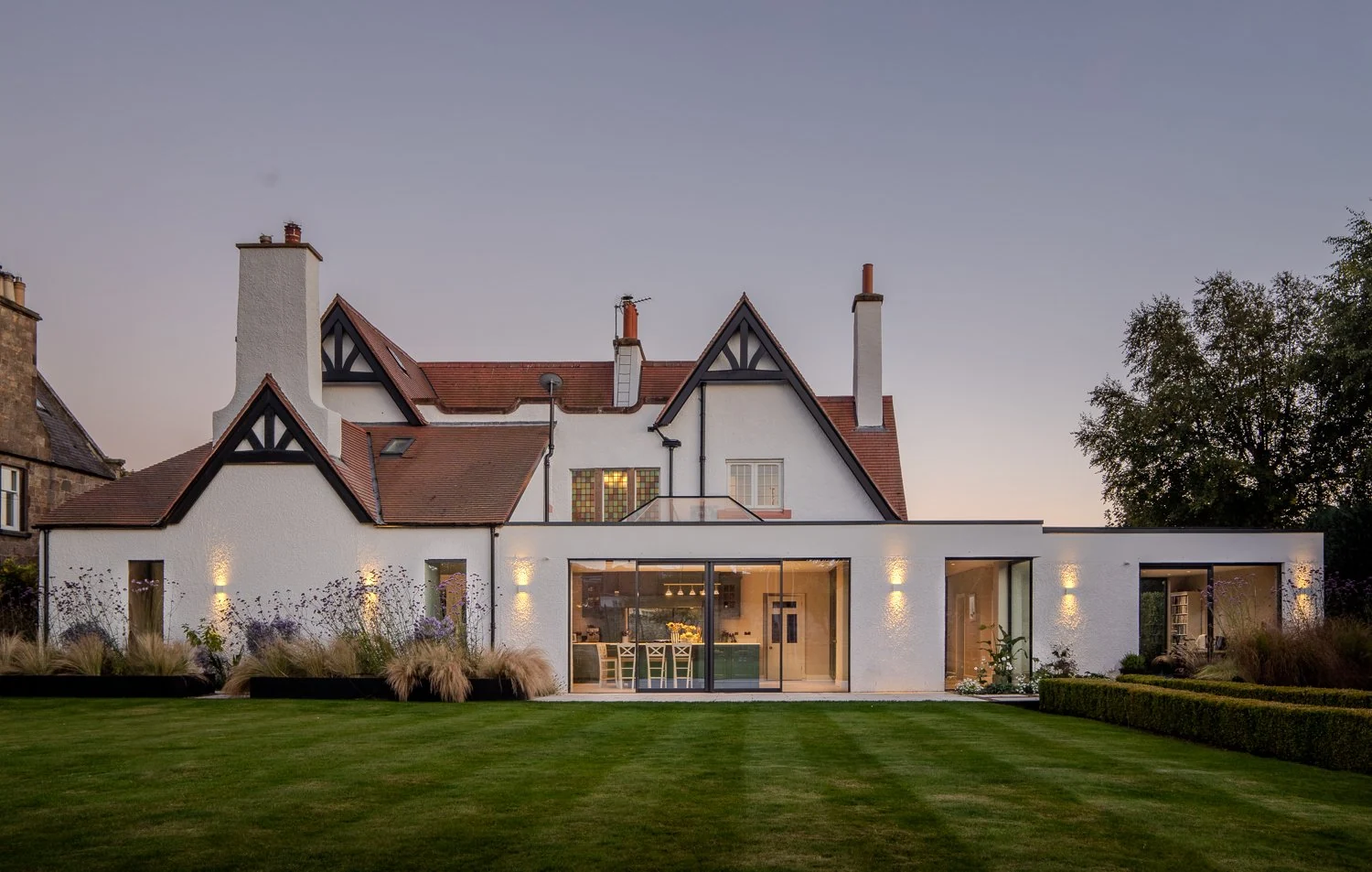
Link the case study from the service page it supports, and give readers a route back to that service. Finish with an invitation to discuss similar work. In Crafters’ Bruntsfield commission, the website’s project imagery and navigation are part of the presentation; the construction work itself belongs to Bruntsfield. That distinction is worth making in any collaborative project.
08
Publish once, then adapt for other channels
Use the approved case study as the source for shorter social posts, a proposal example or a capability document. Choose the details that suit each audience and link to the full story where useful. Review whether readers reach the related service and whether subsequent enquiries fit the work you want. Views alone do not establish that the story won a contract.
PROJECT INTERVIEW CHECKLIST
Questions to take to the project team.
- What did the client need, and which part were we appointed to deliver?
- What information can we publish about the location and client?
- Which constraint affected our work, and what did we do about it?
- Who else contributed, and how should we credit them?
- Which photographs or drawings do we have permission to share?
- What was completed, and what evidence supports any claimed result?
- Who will check the facts and approve the story?
Keep the answers, source documents and approvals together. They give your writer something specific to work from and help your team update the story later.
Prepare the service-page copy that sits alongside your projectsSEE THE WORK
Explore the Bruntsfield website and project portfolio